What Is an Aviation Fuel Farm?
To keep an aircraft flying at 10,000 feet, the right fuel must be in the right place at the right time. Engineers design an aviation fuel farm to make this happen.
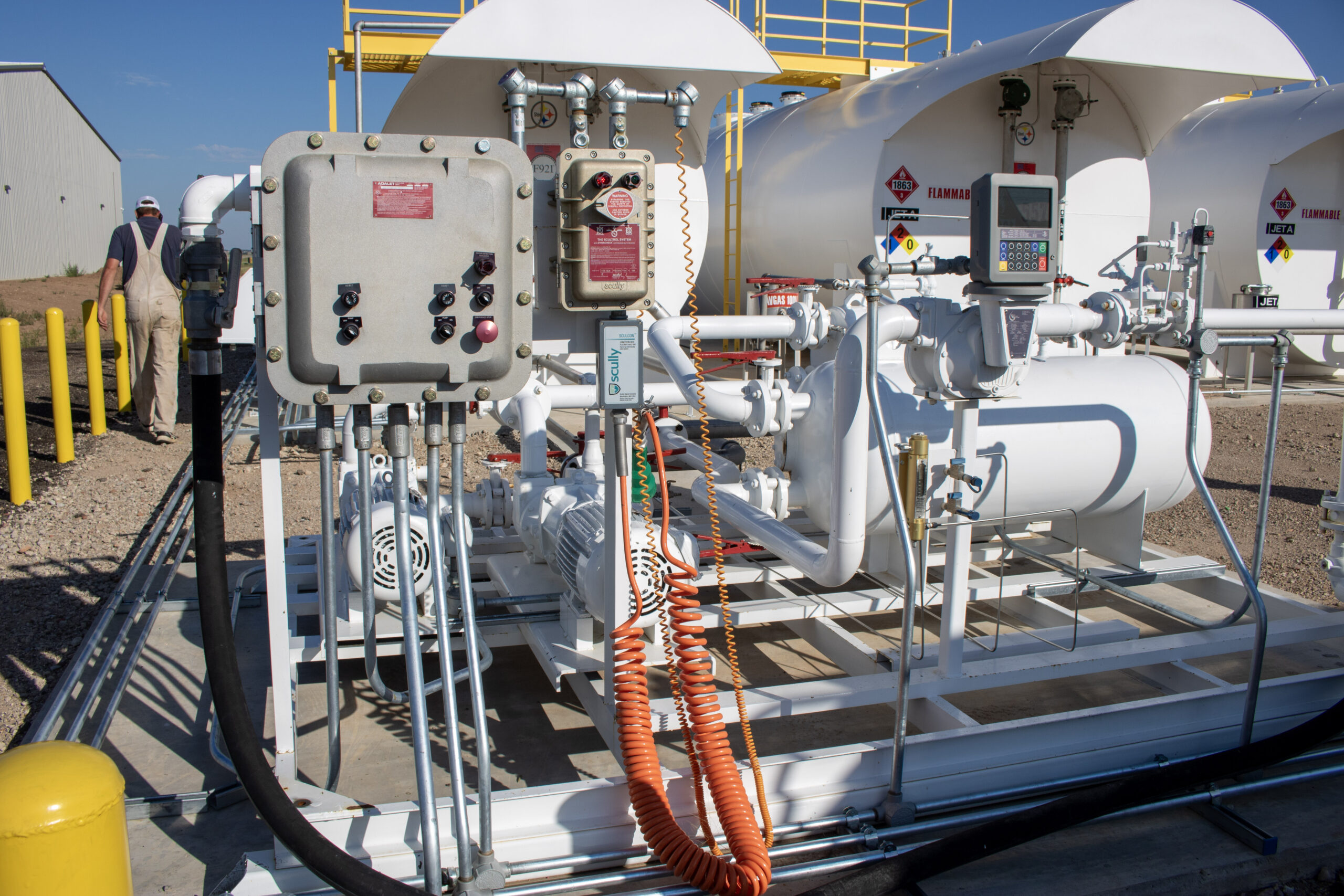
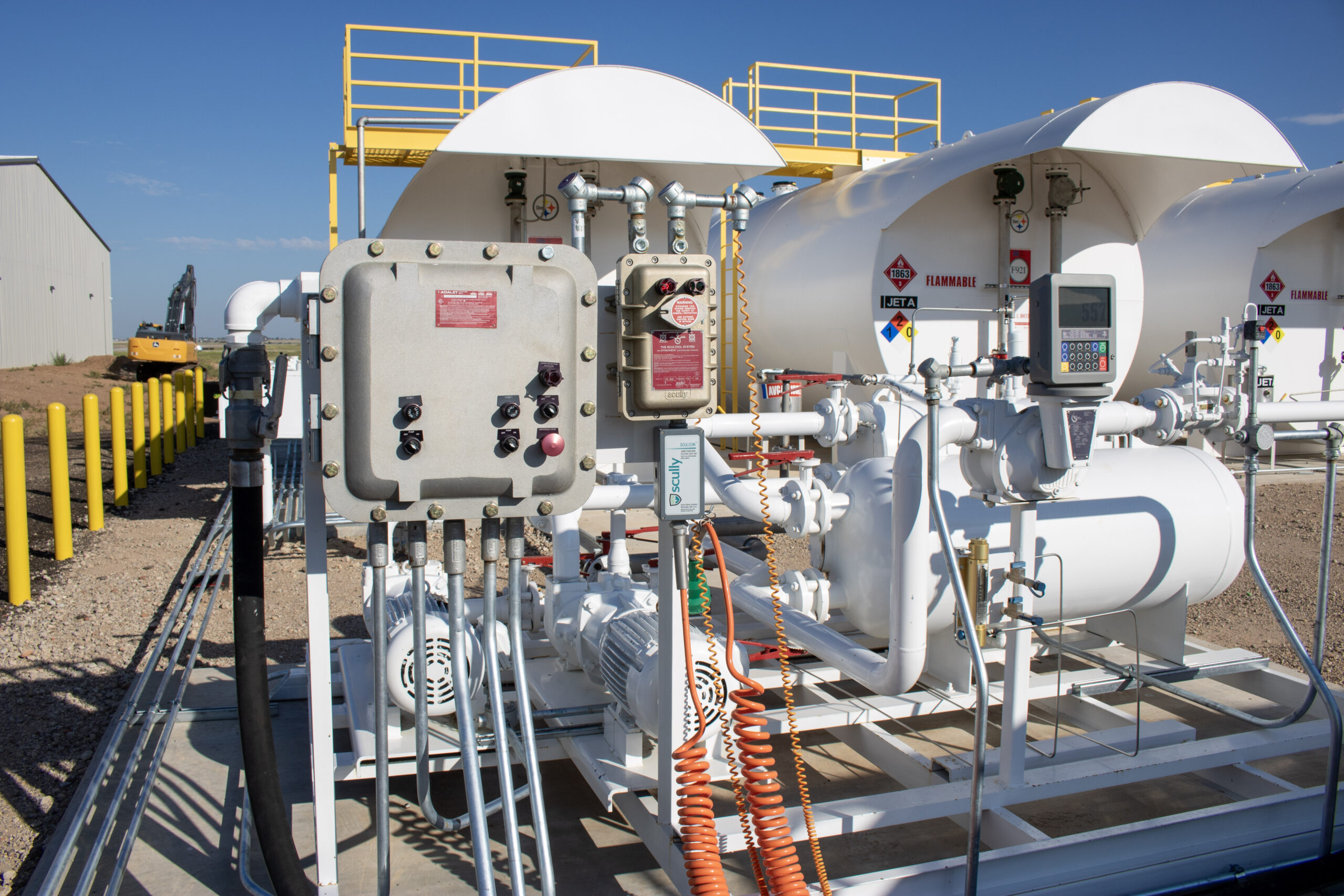
A fuel farm is a system for safely storing and managing aviation fuel, both Jet A and Avgas. It helps ensure planes can take off with confidence. From storage tanks and filters to pumps and fueling points, every part works together. This ensures pilots, FBOs, and operators have a steady supply of clean fuel.
A well-designed fuel farm keeps operations running smoothly and helps flights stay safe, efficient, and on schedule.
What makes up an Aviation Fuel Farm?
Every fuel farm is designed differently. This depends on the size of the operation and the type of fuel used, Jet A or Avgas. We have done everything from a 500 gallon skid to 50,000 gallon tanks! However, most systems have a few key parts. These parts work together to keep fueling safe and efficient.
1. Storage Tanks – Secure, high-capacity tanks designed to safely hold Jet A or Avgas until it’s needed. We typically work on 10,000 gallon – 12,000 gallon tanks.
2. Filtration Systems – Equipment that removes water and contaminants, ensuring the fuel stays clean and flight-ready. They must filter jet fuel twice. Once when a truck delivers fuel and unloads it into the tank. And then when they transfer it to the refueler or plane.
3. Pumps and Piping – A network of stainless steel pipes directs fuel through the system and allows operators to control flow safely. And then moving the fuel from storage to aircraft or trucks with precise control and consistent flow.
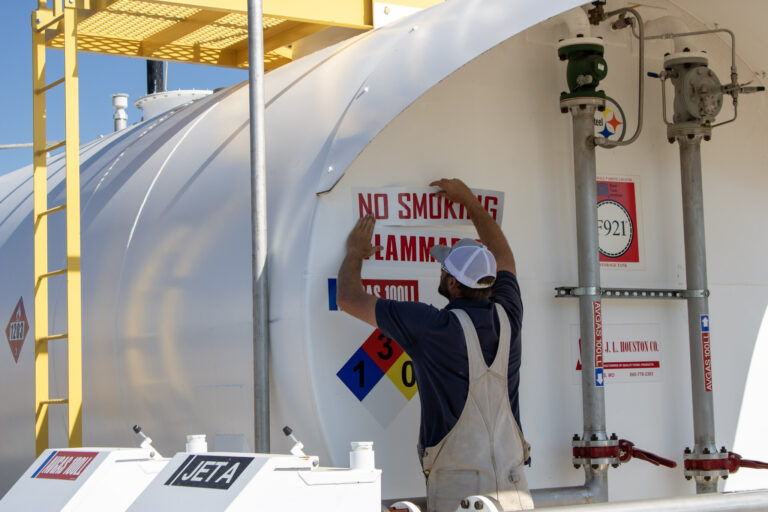
4. Safety Systems – Jet fuel is extremely flammable. Fuel farms have fire suppression systems, spill containment, and strict monitoring to prevent accidents.
5. Dispensing Systems – This is the last point where either Jet A or Avgas goes to aircraft. The design ensures reliability and easy use. An overwing or underwing nozzle performs this action.
These parts work together to support aviation fueling operations. They store fuel safely, keep its quality, and deliver it where needed without interruption. Simple analogy: If the airport were a body, the runways would be the muscles, the control tower would be the brain, and the fuel farm would be the heart — pumping clean, reliable energy where it’s needed to keep everything moving.
Why do Materials Matter?
We always recommend using stainless steel for all fuel piping — and for good reason. It’s cleaner, safer, longer lasting, and simply the most reliable choice for aviation fueling systems. Stainless steel resists corrosion, which helps protect fuel quality and prevent contamination. It’s also chemically compatible with both Jet A and Avgas, ensuring the fuel remains stable from storage to takeoff. Plus, its durability and strength help systems meet strict safety and compliance standards, giving you confidence that your fuel farm will perform safely and efficiently for years to come.
Why are Aviation Fuel Farms important?
Aviation fuel farms are more than just storage sites — they’re the backbone of safe, efficient flight operations. They ensure a steady supply of clean fuel so aircraft can receive quick and safe fueling.
Well-designed systems protect fuel quality. They lower the risk of contamination and help meet safety and environmental standards.
For pilots, FBOs, and operators, a well-kept fuel farm means fewer problems. It leads to faster turnaround times. They can feel secure knowing that every takeoff starts with trust and reliable fueling support.
Ready to Build or Upgrade Your Fuel Farm?
Whether you’re building a new system or upgrading an existing one, having the right partner makes all the difference. Our team specializes in designing and installing safe, reliable, and efficient aviation fuel farms tailored to your operation’s needs. Recently, we installed a 12,000-gallon Jet A tank alongside a 10,000-gallon Avgas system for a growing GA airport — a great example of how we scale solutions to match unique demands. From 500-gallon skids to 50,000-gallon tanks, we ensure your fueling system is built for safety, efficiency, and every takeoff ahead.
Contact us today to learn how we can help you create a fueling solution. This will keep your operation running smoothly now and in the future.
References
ACRP. (2022). Airport fueling operations: Running a safe and efficient airport (Chapter 4). Transportation Research Board. https://crp.trb.org/acrpwebresource6/home/chapter-resources/chapter-4-operations-running-a-safe-and-efficient-airport/4-4-fueling-operations
Department of the Interior (DOI). (2024). Aviation fuel management handbook. https://www.doi.gov/sites/default/files/documents/2024-09/doi-aviation-fuel-management-handbook-sept-2024.pdf
Federal Aviation Administration (FAA). (2017). Advisory circular 150/5230-4C: Aircraft fuel storage, handling, and dispensing on airports. https://www.faa.gov/airports/resources/advisory_circulars
International Air Transport Association (IATA). (2020). Access to fuel infrastructure to enable aviation. https://www.iata.org/contentassets/d13875e9ed784f75bac90f000760e998/brief-access-to-fuel-infrastructure-to-enable-aviation.pdf
Seneca Companies. (2023). Aviation fueling solutions. https://www.senecaco.com/fuel-systems/aviation-fueling/
Smart Jet Engineering. (2023). A guide to aviation fuel equipment. https://www.smartjeteng.com/blog/aviation-fuel-equipmentTransportation Research Board (TRB). (2019). Operational and legal issues with airport fuel farms. https://apps.trb.org/cmsfeed/TRBNetProjectDisplay.asp?ProjectID=3773